

iQiyi Under Fire After Revealing AI Actors Database2026-04-20
Chinese drama release schedule for 2026 


For the English version, we use automatic translation with minor editing. We apologize to our dear readers for any errors. | |
|
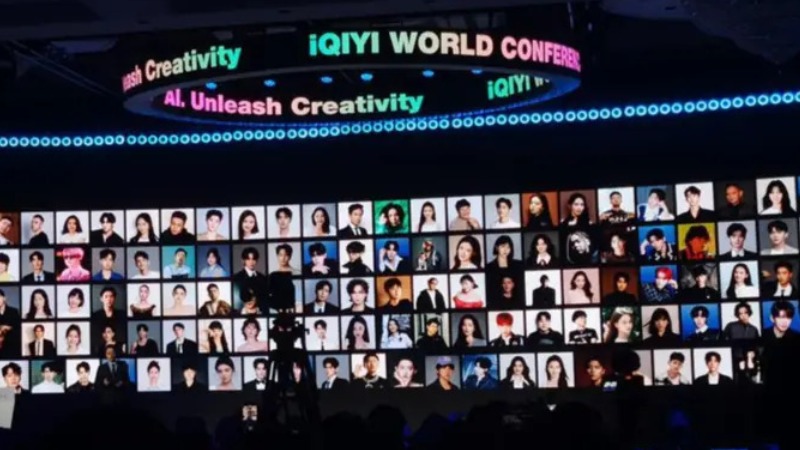
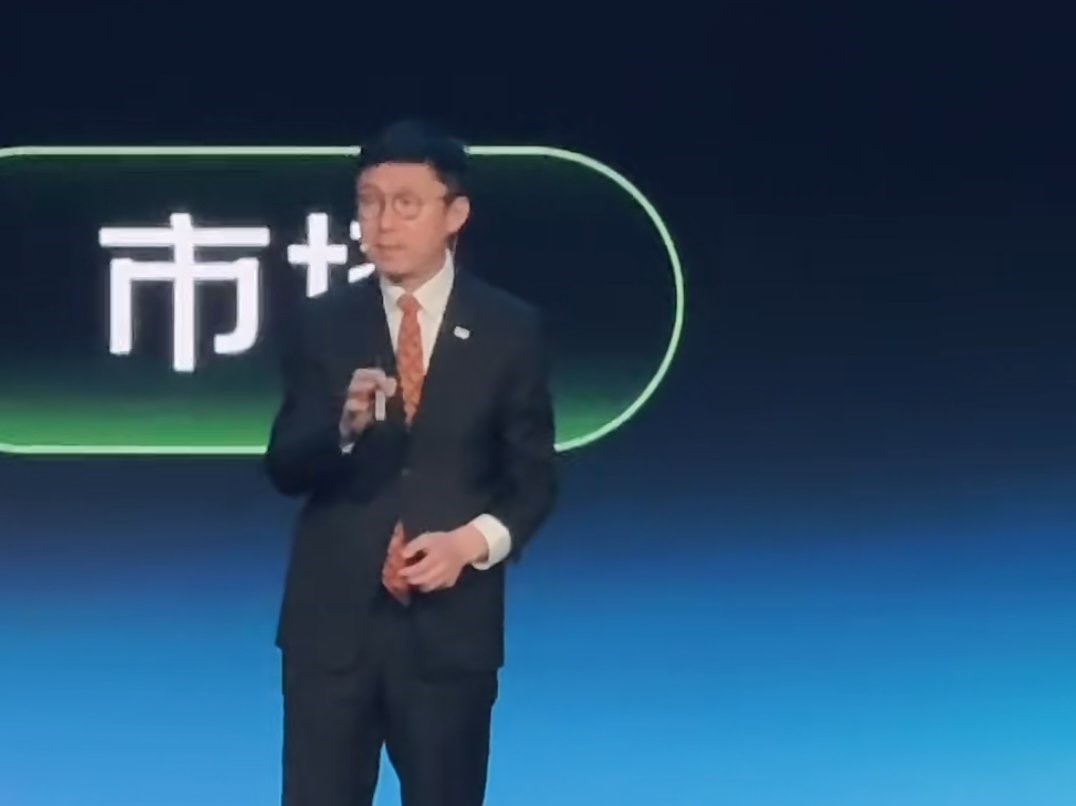
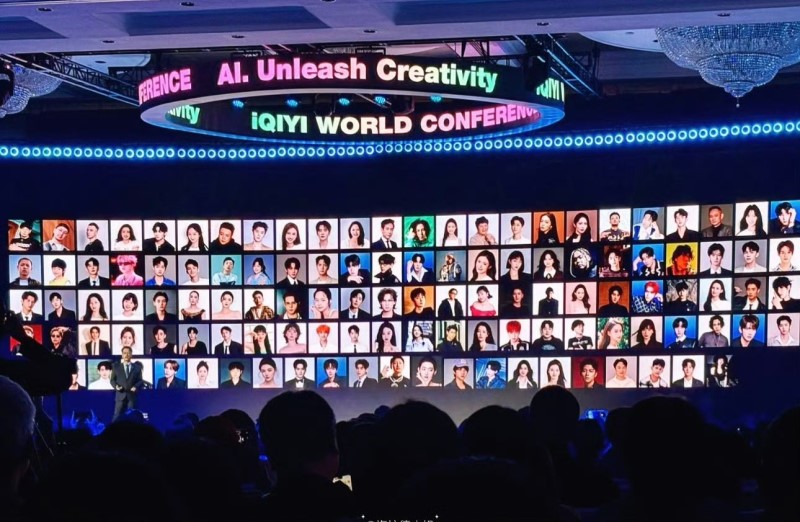
On April 20, 2026, at an iQiyi conference, CEO Gong Yu announced the creation of a database of actors who have given permission for their AI models to be used. The initiative is called the "AI Actor Library" (AI艺人库). Digital copies (avatars) of the artists, built from multimodal data, can be used for filming without the actor’s physical presence. On the one hand, an actor’s AI avatar can be useful. For example, avatars could replace them during difficult or risky shoots – underwater, at height, or in fight scenes. This way, the actor avoids harming their health, and studios lower production costs. According to Gong Yu, AI would allow actors to appear in not four but fourteen projects a year, freeing up personal time for them. He even went so far as to say that "live-action filming may soon become intangible cultural heritage" – in other words, he predicted a full market shift toward AI actors. In every barrel of honey there is a spoonful of tar, but here, it seems, the amounts of honey and tar have swapped places. An AI avatar not only protects the actor, but also makes it possible to quickly scrub them from a series if they get caught in a scandal or run afoul of censorship, replacing them with another artist. Having an avatar gives the studio leverage over the actor. After all, an artist’s ultimate form of protest is refusing to do something they really don’t want to do. With an avatar, even that option disappears, because the avatar can replace them. Not to mention that in the digital world, it’s not just passport data or pirated movie copies that can be leaked – databases of digital AI models can be stolen, too. Where your face and body might end up in digital form on the black market is anyone’s guess. At the same time, the iQiyi chief executive conceded that the base fee for AI projects "might be slightly lower, but that would be offset by a larger number of projects". In the future, a revenue-sharing model for films or series is also possible. Such statements do little to kindle enthusiasm among would‑be avatar owners.
As for the remark about live actors becoming "intangible cultural heritage", it recalls a famous line from the film "Moscow Does Not Believe in Tears": "Soon there will be nothing left: no cinema, no theatre, no books, no newspapers – just television." In other words, the forecast is actually unrealistic, and the attitude toward creators is disrespectful. iQiyi insists that the existing database is simply a pool of artists who have given their basic consent to be "digitised". To create an avatar and actually use it, a separate contract for each individual job would have to be signed with the artist. Nevertheless, public reaction has been overwhelmingly negative. The search query "iQIYI疯了" (iQIYI has gone crazy) instantly topped the trending list, reflecting public shock and bewilderment. What followed was an even more awkward situation: artists began to contradict the CEO’s words. The presentation featured iQiyi actors Ma Su, Cheng Tai Shen, Yu He Wei, Cheng Lei, Chen Zhe Yuan, Jiang Long, Zhang Ruo Yun, Wang Yu Wen, Wang Chu Ran, Zhai Xiao Wen, and Zeng Shunxi. The studios of several actors (Zhang Ruo Yun, Yu He Wei, Wang Chu Ran, Li Yi Tong, and Chen Zhe Yuan) stated that no AI‑related authorisations had been signed, and that their legal departments were urgently looking into the matter.
Audiences on social media appear to have no desire to see digital avatars on screen instead of their favourite living actors. Many ordinary netizens and industry insiders have questioned whether this model will lead to unemployment for middle‑tier actors, extras, and behind‑the‑scenes crew, arguing that AI‑generated content lacks the emotional warmth of live performance and is unlikely to resonate with viewers. The cost of short AI‑generated dramas is only 1% that of comparable series with real actors – about 3,000–5,000 yuan. Work for extras in Hengdian has shrunk by 70%, and the number of roles for mid‑level actors has halved. 74% of viewers say they boycott AI‑generated performances, criticising them for "empty eyes", "stiff emotions", and the lack of improvisational tension that comes with real human acting. Jokers on Weibo have suggested creating AI avatars of the audience to watch AI series. In short, the apostles of AI promotion are confronting the bitter truth that real people are not entirely happy with them. We might add that avatars are not yet covered by labour law anywhere. Suppose the owner of an avatar may be protected by intellectual property rights, but under a contract, the owner of the avatar is not always the same person as the owner of the original likeness – that is, the person from whom the avatar was made. Several parties or organisations may be involved in the contract, and the transfer of rights will be extremely complex. We all have a good idea of what intellectual property piracy looks like. Thus, losing yourself as a subject of labour law is easy, while obtaining protection and a decent income through another area of law remains difficult, if not impossible. Technically savvy users also draw attention to another aspect: the full 360‑degree image data of an actor is uploaded into the database, and the algorithm can easily dissect and reassemble facial features, face shape and expressions to create a new virtual avatar, effortlessly circumventing the original copyright agreement. But if we carry the authorities' thinking to its logical conclusion from the standpoint of state convenience, the entire population could be replaced by digital avatars. How convenient that would be. Instead of real people walking the streets, breathing, having opinions, needing to be educated, requiring social contributions for them and provide them with pensions, an eight-hour working day… According to Russian law, we are obligated to warn users that Instagram and Facebook are owned by META Platforms Inc., which is considered extremist under Russian law and its activities are prohibited in Russia. |
|
| Категория: News | | |