

«Overdo» Director Yi Jun Under Fire2026-07-21
Chinese drama release schedule for 2026 


For the English version, we use automatic translation with minor editing. We apologize to our dear readers for any errors. | |
|
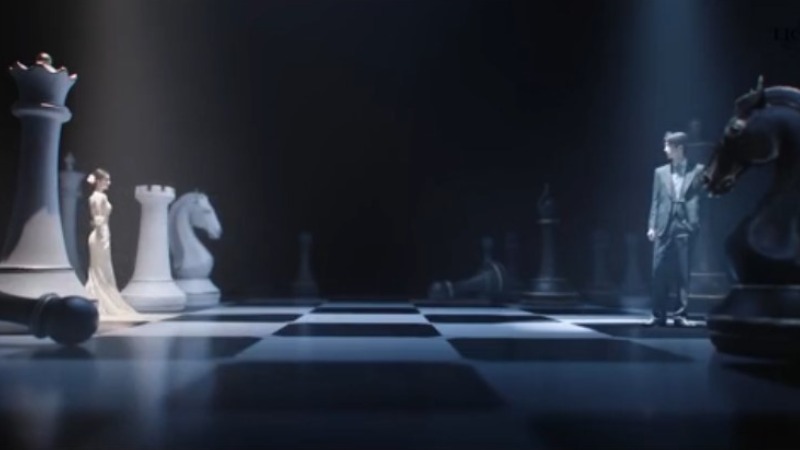
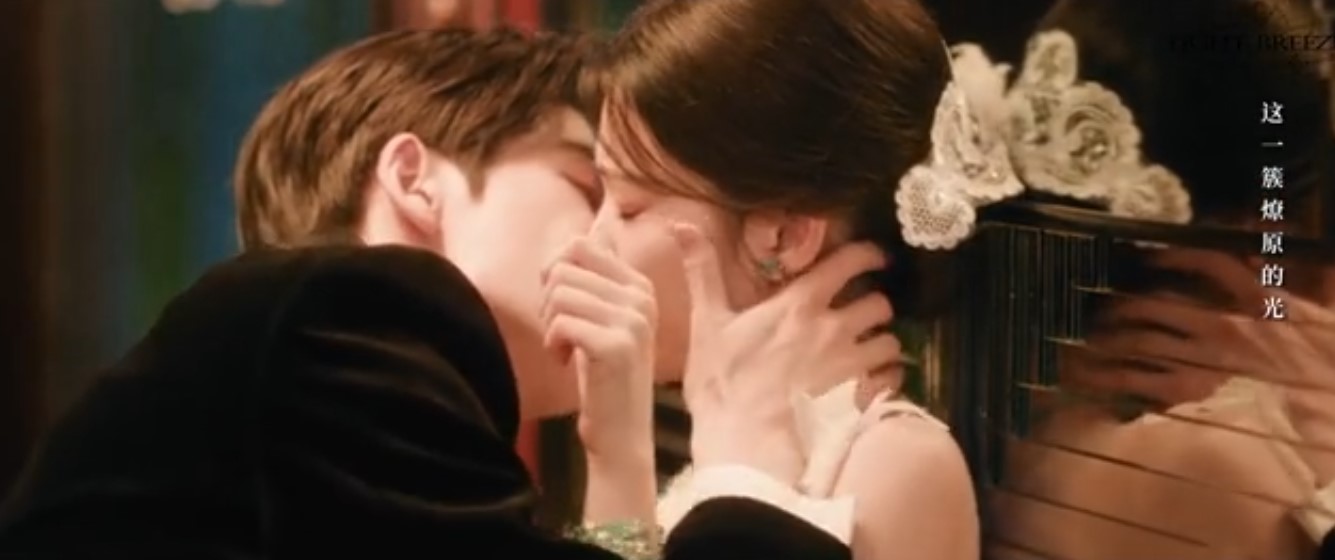
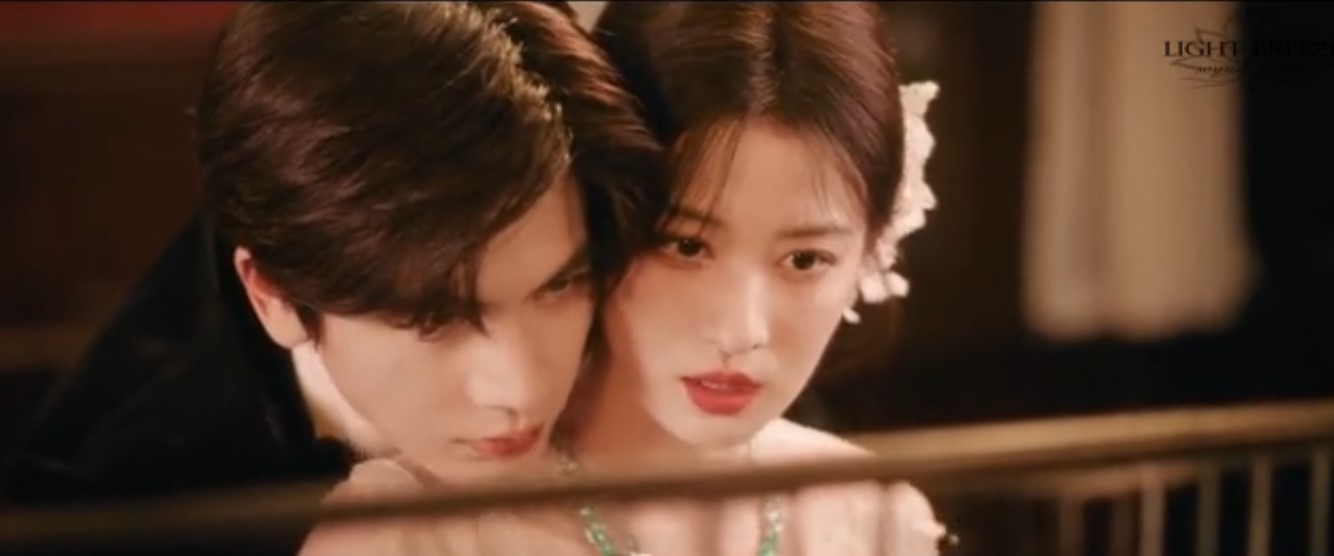
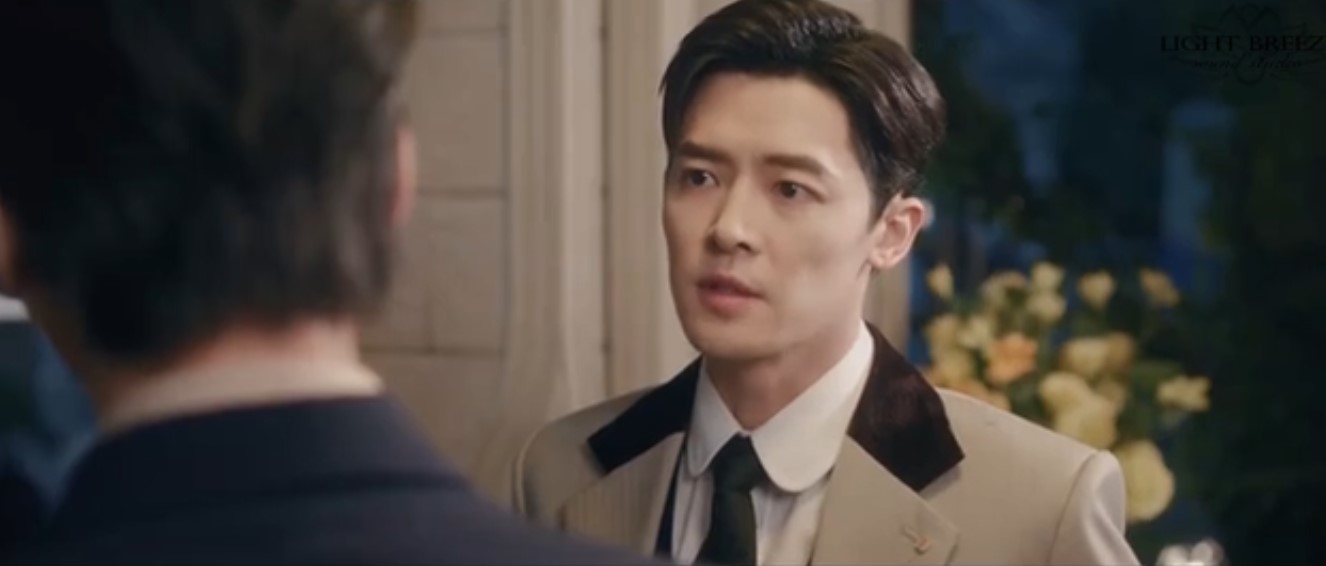
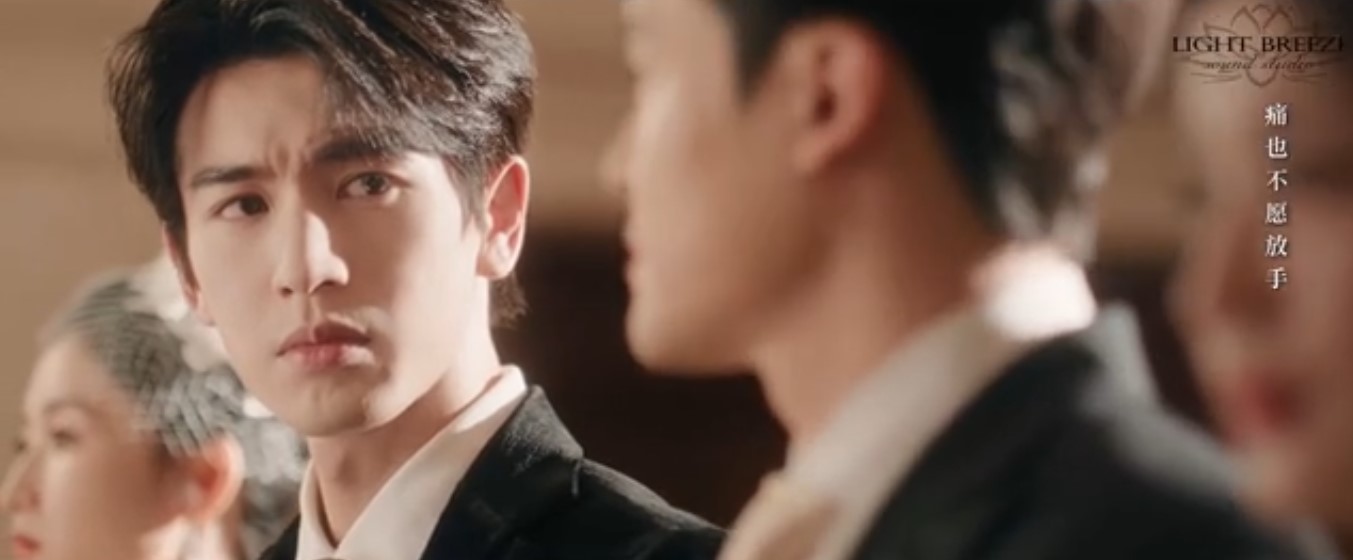
UPD (22/07/2026): After the intro to the series was criticized for its cringey AI-generated content, the company replaced it with a live-action video. The creators also apologized to the fans. The Republican-era series «Overdo» (这一秒过火) premiered on 19 July, becoming one of the most talked‑about and controversial projects of summer 2026. The drama stars two audience favourites, Wang Chu Ran and Zhang Ling He, in leading roles. Yet alongside impressive viewership numbers and record-breaking ad integrations, the show has drawn highly polarised reviews from both viewers and critics. So what do the numbers say? Right out of the gate, the series topped viewing charts. It scored over 24,000 popularity points on Tencent Video and surpassed 9,000 on iQIYI. On its first day, the drama captured a 16.4% market share on the Yunhe platform – very solid figures. Advertisers (more than 20 brands) showed unprecedented interest. All advertising slots were sold out before the premiere, with total integration revenue exceeding 120 million yuan (about $17 million) – a record for “Republican-era” dramas. At the same time, the “popular” ratings have turned out far below what would be expected for an S+‑level production – middling or even lower. Of course, it is too early for sweeping conclusions, as the ongoing series has not yet reached even its first third.
Read more: Let us start with the positives. Viewers have widely praised the electric chemistry between the leads – this is the most frequent compliment directed at the series. Zhang Ling He and Wang Chu Ran are hailed as the the most gorgeous couple. Their joint scenes, brimming with tension and passion, are the main driving force of the drama. Particular mention goes to Zhang Ling He’s portrayal of a “mad and tragic” young marshal, as well as Wang Chu Ran’s impressive qipao costumes.
Russian viewers have also especially enjoyed the performance of Fu Xin Bo (known from «Justice in The Dark» and «Sword and Fairy»).
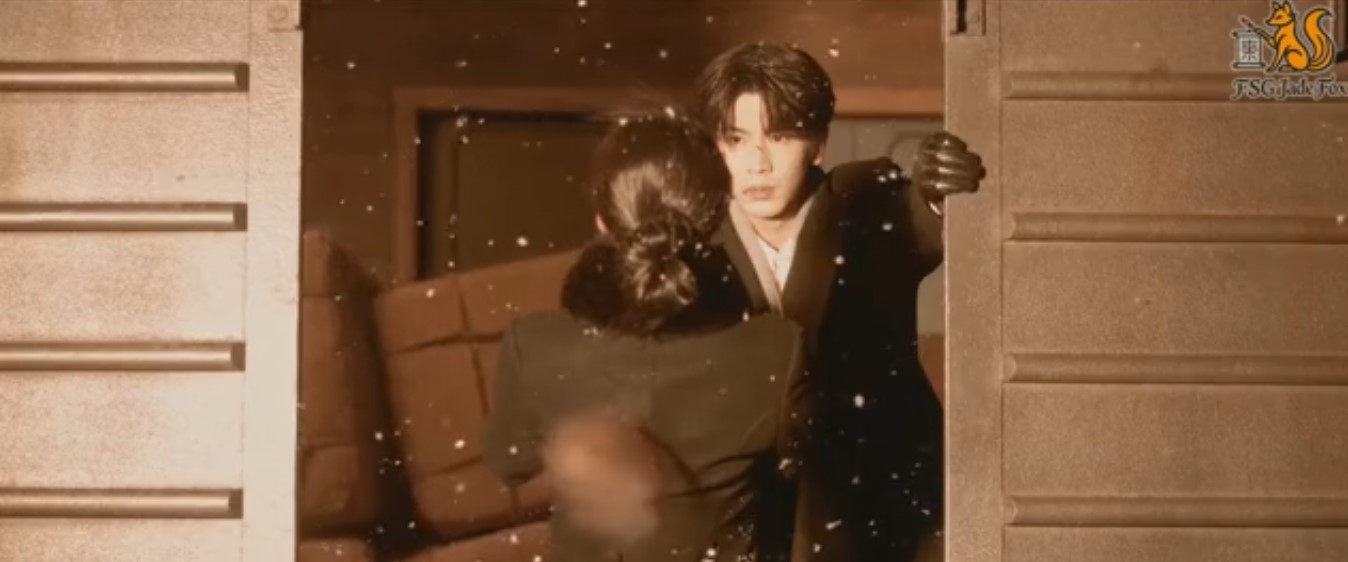
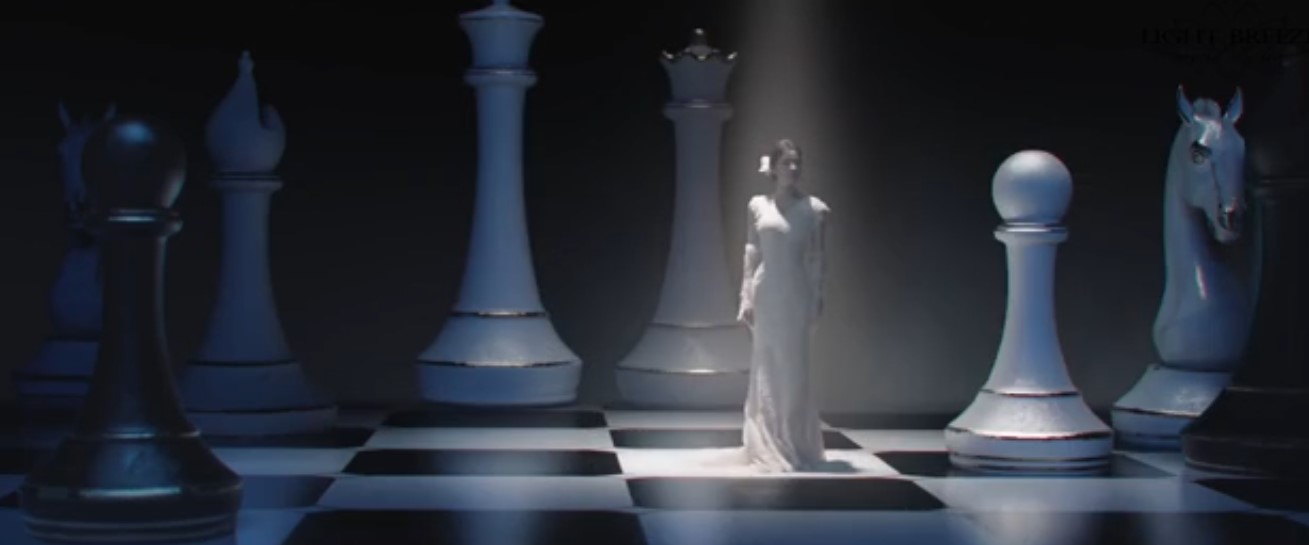
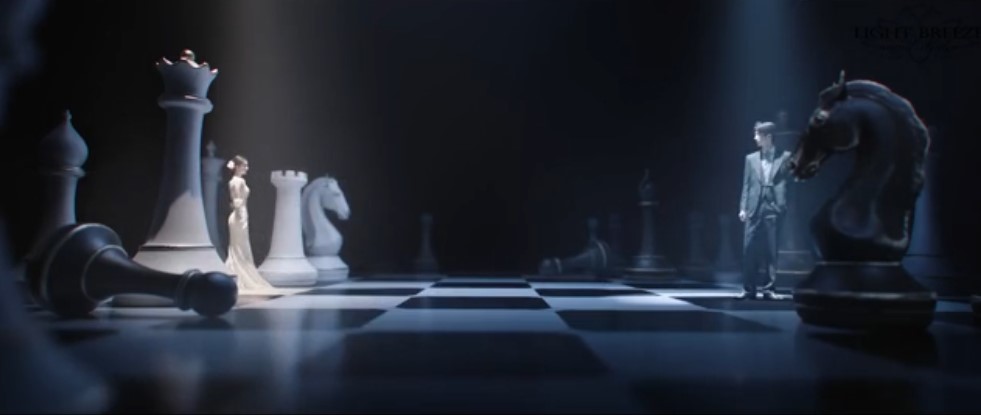
Many appreciate the brisk pacing and plot twists. However, they note similarities to old‑fashioned soap operas – yet still admit the series is gripping enough to keep watching. Unfortunately, the negative feedback is extensive and severe. The hashtag with director Yi Jun’s name even made it into search trends. The first cluster of complaints concerns the visuals.Primitive AI. The opening title sequence, generated by AI, has drawn strong viewer disapproval. The graphics look unnatural, the filters are awful. Chinese netizens even felt embarrassed – after all, a country with such advanced technology should not produce such a low‑quality intro for a high‑budget series. To recall, each episode reportedly cost about 8 million yuan. The image itself is so heavily processed that the actors’ skin appears unnaturally white and “plastic”, stripped of any texture. If the special effects in «The Three-Body Problem» and «The Wandering Earth» were the result of thousands of hours of painstaking effort by the crew, then «Overdo» offers viewers an abundance of unnatural and poorly assembled AI imagery. Filters smooth out actors’ jawlines, blur focus, and erase costume details, turning everything into a mush. Extras are often digitally added and move unnaturally. Even window light that does not change as the camera moves – that too is AI.
«This is not a technological limitation, but a process that has spiralled out of control,» writes Chinese outlet 360 Entertainment. «No one even bothered to look at the high‑resolution monitor when approving costumes, makeup, and props. One industry professional privately revealed: ‘For many projects nowadays, directors only watch vertical previews, because that is the size used in platform clips.’ When creative standards are compromised for mobile‑device screens, even the most expensive cameras and most experienced production designers cannot salvage the footage.» Criticism is not directed at the use of AI per se, but at using AI as a substitute for thought and creativity. The second cluster targets the script.Many call the plot overly soapy, the plot twists pompous and unnatural, and note an abundance of clichés and outright absurdities. One line in particular sparked snarky comments and laughter. «How could my man die so mediocrely?» (我的男人怎么能死得如此平庸) says the protagonist’s mother in the first episode. Some Russian translators could not resist and amended the line to: "My man deserves a better death".
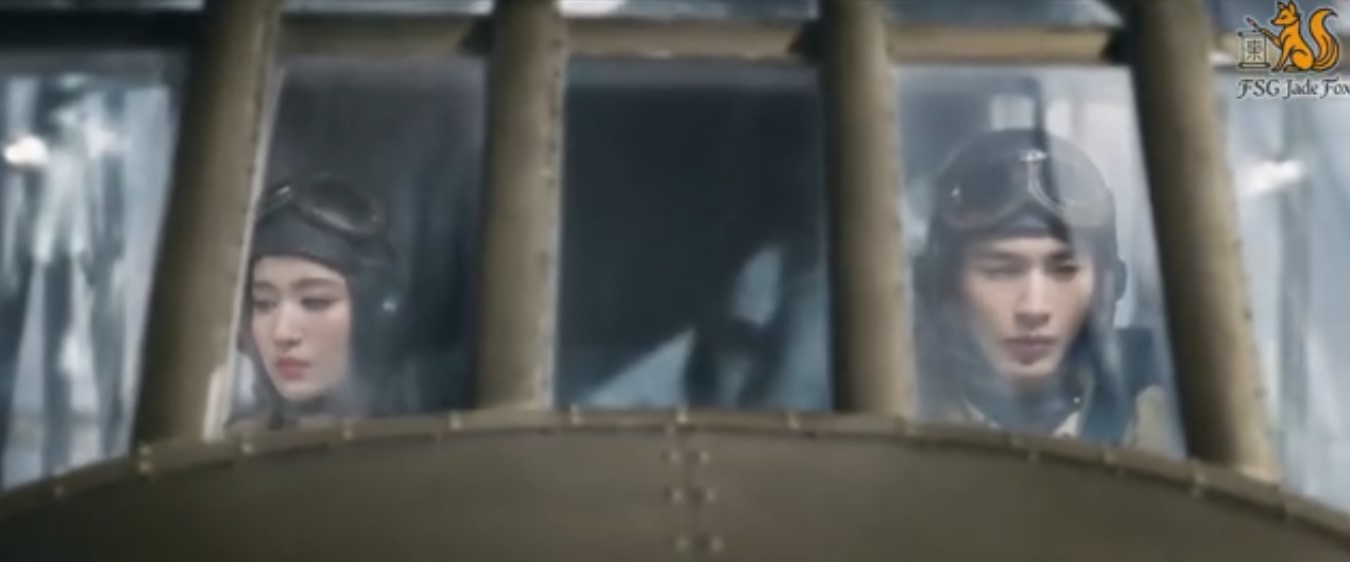
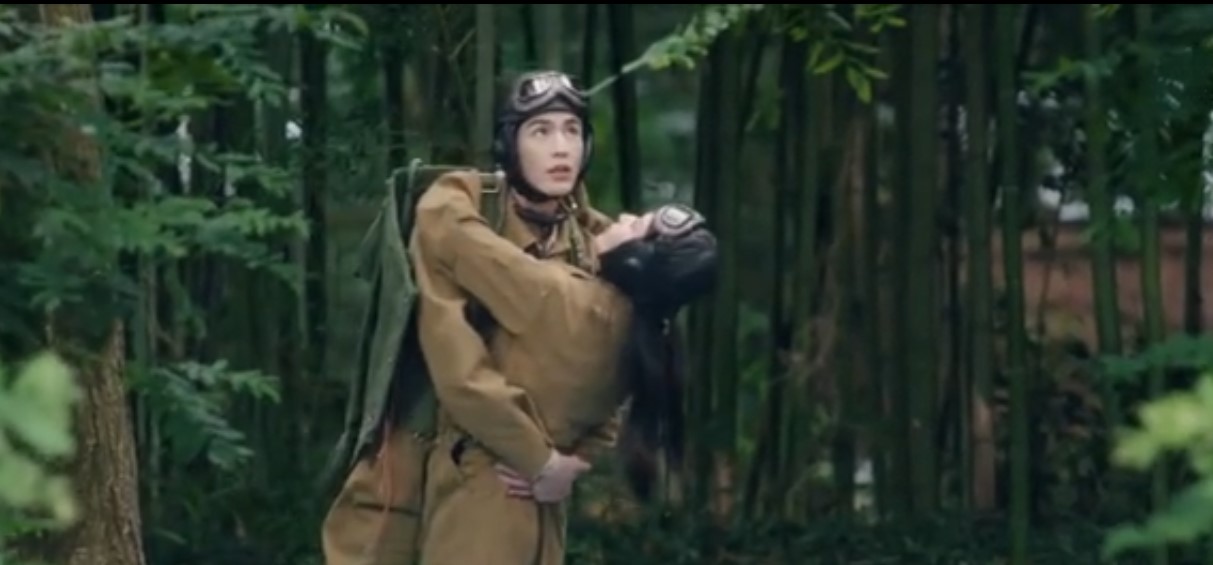
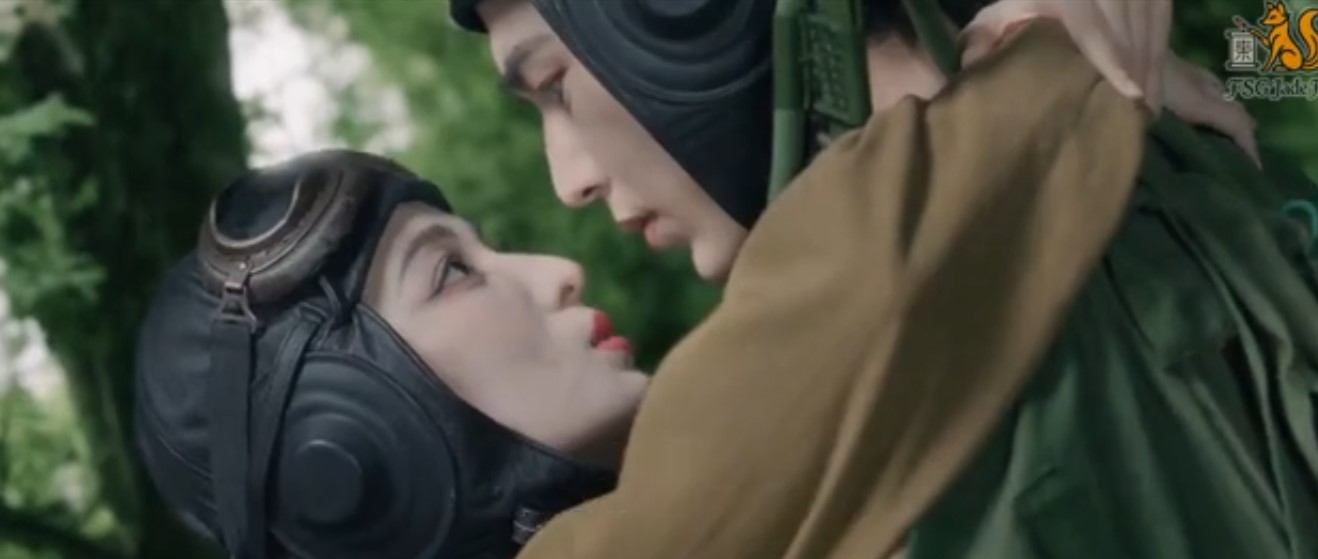
The airplane scene also drew much irony. First, the shot itself again looked like early‑stage AI video. But the plot itself is absurd: the protagonist (in the early days of aviation) hijacks an aeroplane to… talk to the heroine. Where else could two decent people have a chat? The plane, by the way, is packed with explosives. Mid‑air, the heroes start quarrelling, the plane crashes, and they eject with a single parachute, landing somewhere in a tree. Viewers called this episode the height of absurdity.
Among Russian netizens, almost everyone recalled the old Soviet song from the 80‑year‑old film «Heavenly Slug»:
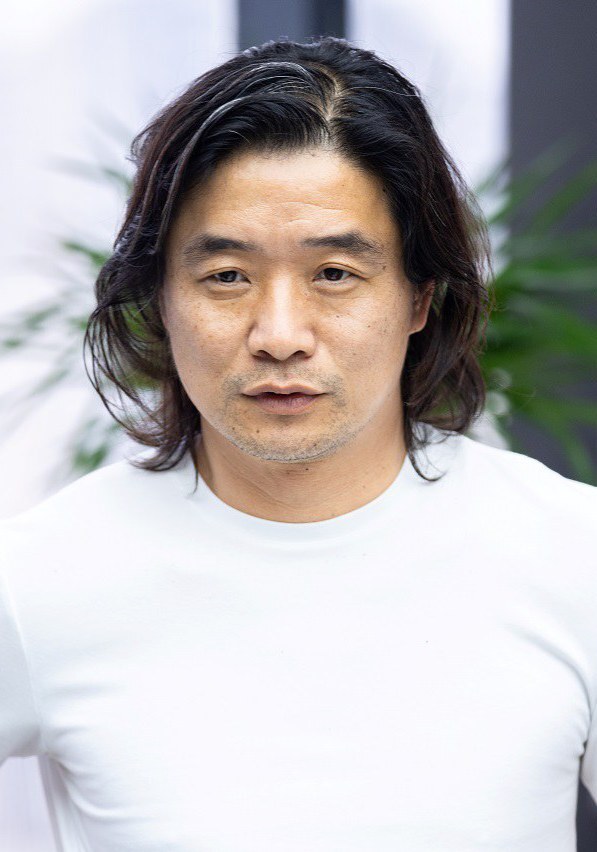
The third group of complaints concerns director Yi Jun himself.Directing is the heart of any cinematic work – it holds everything together. It can compensate for script flaws, acting deficiencies, or budget constraints on lavish sets and effects. Conversely, it can undo all the efforts of actors, cinematographers, and production designers. In the Chinese drama industry, much like in Korea, criticism directed specifically at directing is relatively rare. Usually, directors of mainstream productions build a solid core for the main storyline. But this time, Yi Jun seems to have been thoroughly bashed – and arguably with good reason.
The visual presentation of the series gives viewers the strong impression that they are watching a vertical micro‑drama – only the episodes are 45 minutes long, not two, and the actors are A‑list stars, not newcomers. Shots change with irritating speed and sometimes incoherence. The music‑video style, overuse of close‑ups, absence of anything that breathes life into a frame, lack of meaningful pauses and a unified through‑line – all this causes bewilderment that quickly turns into rejection. Viewers cannot even empathise with the characters’ emotions, and often cannot even understand what is actually going on or who a character is and what they want. That said, one undeniably successful moment stands out where rapid cuts were truly appropriate: when the protagonist suddenly sees his beloved, whom he thought dead, and a flood of memories overwhelms him – here, the quick cuts perfectly conveyed the emotional storm. Yet the emotional impact of those seconds was diluted because everything before that scene had also been flashing by at high speed, so viewers had grown accustomed to it. The intrusive, constant background music clearly tries to squeeze extra emotion out of the audience, but only overloads their already overwhelmed perception – what with all the flickering and effects. The pathos is ramped up from the very first minute of the action, but as they often say in Russian film schools to students with weak projects: «You keep trying and trying to scare me, but I’m not frightened».
No matter how much pathos, tragedy, and emotion you pile on, if you do not show the meaning behind an action, guide the viewer through the stages of realising the drama, or let them observe the evolution of an actor’s emotion – nothing will make the viewer feel anything in return or respond. 360 Entertainment writes: «Even more alarming is the complete mismatch between pacing and logic: the first episode crams in four major plot turns – family massacre, faked death, reunion, and identity mix‑up – with dialogue reduced to lines like “You owe me forever”, and emotions generated solely by sound effects. The necessary pauses, texture, and historical depth that a period drama should possess are killed by this “short‑drama editing”. It is worth noting that the thorough development of the psychological and emotional dimensions of characters has long been one of Asian dramas’ main advantages over Hollywood cinema, which tends to prioritise action over internal drama. It was precisely this that once attracted many international viewers to Japanese, Korean, and Chinese series. Now, Yi Jun’s treatment of actors – who previously won audiences over with their attention to character psychology and growth – causes at least bewilderment. Here is what Russian viewers say: «This doesn’t really look like cinema. More like a comic book. In good cinema, the story is told mainly through visuals – we are literally shown it, not told through characters’ words. But here it is like a manga – one frame for the hero’s suffering, the rest is narrated: how poor and miserable he is. Everything is in strokes and fragments. You don’t get immersed in the story.» «I think the resemblance to a mini‑drama also comes from the fact that the entire plot revolves exclusively around the main characters – or more precisely, around the male lead himself. So far, they haven't really fleshed out anyone else: not the older brother, not the rest of the family, not the antagonists, and not even the female lead. And I wish they would. It's all just a lot of fuss about a murder that happened three years ago. I'm waiting for the emotional tension to heat up between the characters.» «It smacks of Republican‑era mini‑dramas. Sometimes you watch an atypical miсro-drama and think – if only they would expand this plot into a full‑length drama. But here it feels like a typical clichéd micro--drama has been remade in full format. Still, it is interesting to see the love triangle between the brothers and the heroine, especially since the elder brother looks like a very pleasant man.» «It is beautiful and catches the eye, but it is too pompous and theatrical. Everything is too polished and perfect. I cannot take my eyes off Lin He – he is so handsome it is even annoying. I would like a bit more realism, some flaw – I don’t know, snot, drool, a silly hairstyle – anything to believe they are real people like me, that I can sympathise with them. For now, it is only possible to admire them. It pleases the eyes but does not touch the soul.» «The AI‑generated intro gives vague suspicions that the drama was rushed to screens. The image itself feels like a nod to “The Great Gatsby” – too deliberately ornate. Still strange for me. Lin He is of course handsome as a god, the epaulettes suit him».
360 Entertainment notes that in «Overdo», a significant shift is occurring – from full‑length drama production techniques towards those of mini‑dramas. And perhaps this is not the director’s fault, because algorithmic rules, three‑second teasers, and emotional overload in every frame are platform recommendations for better promotion. We recall that after the reform of the payment and profit system in the Chinese drama industry, the earnings of the entire crew depend on a drama being well promoted. «The problem lies in the decision‑making chain: investors want data, platforms want audience retention, and the director’s team wants results. Ultimately, the entire burden falls on the editing desk and the special‑effects machine – as a result, if there are not enough live shots, AI is used; if there is not enough emotional tension, music is used. If the characters are unconvincing, romantic couples are used to fill the gap,» writes 360 Entertainment. Once we replace art with KPIs, the question immediately arises: where is the money? Critics of the drama are already wondering why a budget intended for a full‑length series is being used as if for a short one.
When an S+ project skips scenes with live actors, when visual effects are so careless – no amount of pre‑orders or strong on‑screen chemistry can protect viewers from asking: where did all the money go? The money was certainly spent – but on what? To make viewers remember a dramatic scene or a look, or to push the product towards algorithmic promotion? Director Yi Jun still has two more projects ahead. He is currently shooting «Tales of the Floating World» (浮生, 浮生物语, Fu Sheng) with Wang Chu Ran and Chen Zhe Yuan, and the series «Revenge» (刺棠) – in which Zhang Ling He is rumoured to star – is in development. The boldest fans of Zhang Ling He have already publicly demanded that the director be replaced on «Revenge», while fans of Wang Chu Ran express concern over the project «Tales of the Floating World». Whether Yi Jun will adjust his directorial style or manage to rein in his editing team remains an open question. Yet viewers still remember his 2018 drama «Bloody Romance» (媚者无疆), where his vision was original and intriguing – so we can still hope for the best. For this writer, however, things are not quite as bad with «Overdo» as critics describe. Zhang Ling He and Wang Chu Ran are too experienced for their performances to be completely ruined by flickering effects – they live in the frame, and it shows. One can also get used to a soap opera – we have seen worse. The music sometimes falls silent. Ultimately, the frames are beautiful, even with all the AI mistakes.
The key point is that more than half of the drama is still ahead, and perhaps the pomposity will eventually tire and allow something more alive to break through. But the critics are certainly right to point out the dangerous trend of replacing cinematography with music‑video editing, and the art of the frame with AI skills. A series’ success should not be measured by its click‑through rates on platforms, and even less should it be tailored to those clicks. According to Russian law, we are obligated to warn users that Instagram and Facebook are owned by META Platforms Inc., which is considered extremist under Russian law and its activities are prohibited in Russia. |
|
| Категория: News | | |